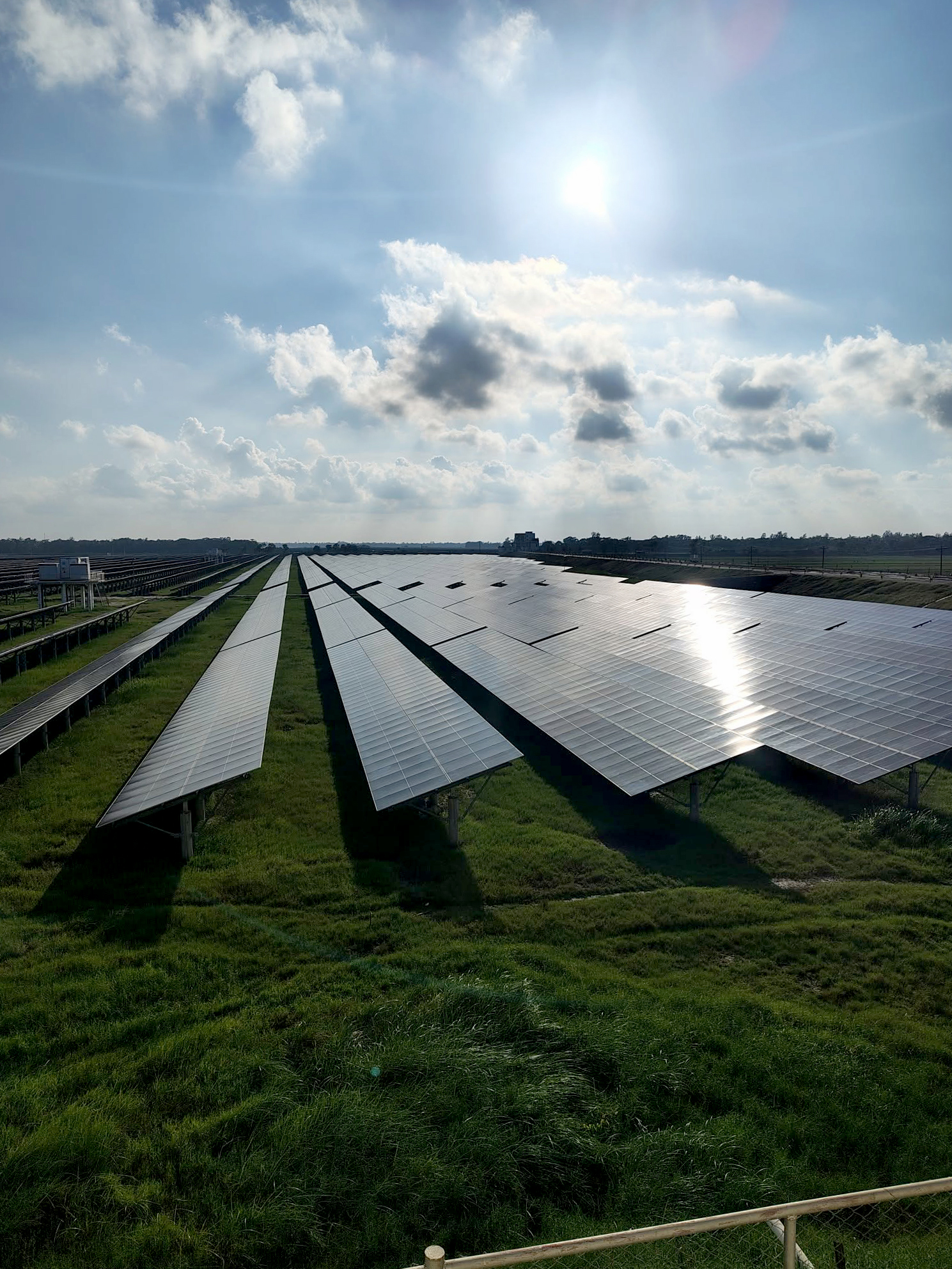
Bangladesh stands at a critical juncture in its national energy trajectory. Balancing rapid industrial electrification with carbon abatement commitments demands an aggressive scaling of renewable power capacity, modern grid management, and robust regulatory incentives.
Fiscal Catalysts for Renewable Deployment
The recent policy slashing solar equipment import duties from 17% down to 1% marks a pivotal moment for domestic clean power developers. By reducing capital expenditure barriers, commercial and industrial enterprises can accelerate rooftop solar installations and utility-scale projects.
Complementing this, the Power Division's guaranteed feed-in tariff of Tk 10.50 per unit for surplus electricity injected into the national grid provides predictable revenue streams, incentivizing battery energy storage systems (BESS) and distributed generation.
Grid Modernization and Storage Integration
Transitioning to 40% clean power by 2041 requires substantial upgrades to transmission infrastructure. Synchronizing intermittent renewable generation with baseload demands calls for smart grid technologies, automated load dispatch, and strategic regional power trading.
Through public-private partnerships, multilateral climate financing, and disciplined policy execution, Bangladesh is laying the institutional and technical groundwork for an energy-secure, low-carbon future.