Bangladesh's draft National AI Policy for 2026 to 2030 is a serious document and rather better than its press coverage suggests. It commits the country to a decade of compute. It plans phased upgrades to high-performance computing at the National Data Center, scalable accelerator architectures, and centralized GPU procurement so that individual agencies stop buying hardware one at a time. It sets out a hybrid cloud model, with sensitive workloads on domestically controlled infrastructure and everything else placed with vetted international providers. On the labor side, it goes further than most comparable documents, estimating that up to 60.8 percent of jobs in garment manufacturing are exposed to automation. Somebody thought about the people.
But as for what this infrastructure will consume, the policy has just one sentence. The document says that the government "shall prioritize the development of green AI infrastructure, ensuring that all systems are designed to maintain a low carbon footprint, operate with energy efficiency, and adhere to environmentally responsible standards."
It is a statement unsupported by any baseline, target, or named authority responsible for it. It sits alone in a document that is otherwise very precise about hardware, procurement, and sequencing. And because it is just a policy statement, no particular project is ever required to satisfy it.
That gap is what led me to look at a specific project. Earlier this year I wrote elsewhere about the water at a proposed AI facility at Kaliakair. The argument was narrow. Bangladesh is a delta, and we tend to think that water is one thing we have too much of, but a large AI data center does not need a lot of water in general. What it needs is a particular volume, of a particular quality, at a particular time of year, from a particular source, all of which have a significant impact on what is left for everyone else who draws from it. None of the issues we needed to resolve first were addressed before the announcement.
I wrote about Kaliakair, but the choice of site is not what makes the situation difficult. We could have the same facility at Mymensingh, and it would raise the same questions, and nothing in the approval process would require anyone to answer them there either.
A large data center is an industrial facility. It occupies land that needs to be near a grid connection. Land that had other uses. It will draw power, which needs to be supplied constantly, relying on imported gas and coal. Then a data center produces heat, which it can remove only with water or even more electricity. And it needs to be paid for in foreign currency, regardless of whether the equipment passes through Chattogram.
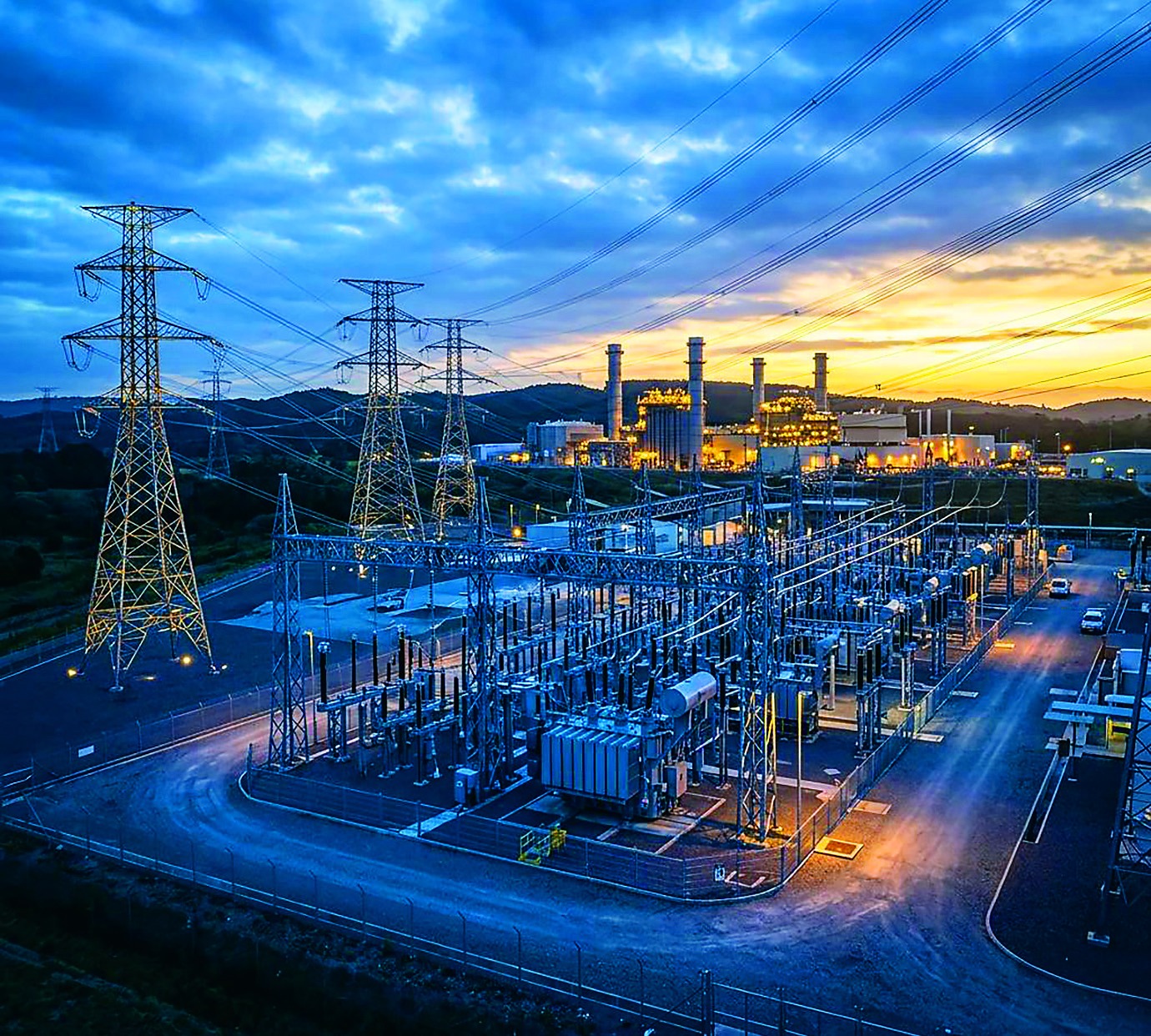
We ask about all of this when we approve any other industrial facility. Bangladesh has an environmental clearance process, and under the 2023 rules, every project is sorted into one of four tiers according to environmental risk. A cement works sits at the top, in the red tier, along with power plants and tanneries, and none of them can proceed without a full environmental impact assessment. A data center appears nowhere in the schedule. Nothing in it was drafted with a facility of this kind in mind, so the nearest fit is the bottom tier, the one written for low-risk commercial activity, where clearance is a matter of days rather than months. A building that draws power at an industrial scale around the clock and needs cooling water is therefore treated as an office.
The remedy does not require new machinery. It requires just one additional clause.
Before any national AI asset is approved, the sponsor should be required to publish a resource statement. One page. Where the land comes from and what it was being used for. Where the cooling water comes from, in which season, at what quality, and whether the circuit is closed. Where the power comes from, whether it needs to be guaranteed around the clock, and what else that capacity would serve. And what the facility costs in foreign currency each year, projected over five years.
Four questions that a competent team can answer in two weeks. A project that cannot answer them should not be approved.
None of this is an argument against building. I have spent forty years in this field, and I would like Bangladesh to build a great deal of it. It is an argument about sequence. We are early. There are no approved projects yet, so adding the requirement costs nothing. Once contracts are signed, the same requirement becomes an objection to someone's project, and by then it is too late.
The AI policy must specify who asks these questions, when they are asked, and what happens if the answer is unsatisfactory.
At present, that is nobody, never, and nothing.