Bangladesh Slashes Solar Import Duties to 1% to Accelerate Clean Energy
In a major legislative push to bolster renewable energy infrastructure, Bangladesh has issued a statutory regulatory order slashing the total import tax burden on eligible solar equipment from 17% down to just 1%. The sweeping fiscal incentive grants comprehensive exemptions from customs duty above 1%, regulatory and supplementary duties, VAT, advance tax, and advance income tax on core solar components and, for the first time, extends eligibility to commercial importers. Valid for 180 days from its issuance date, the policy aims to lower project implementation costs, mitigate ongoing grid supply challenges, and rapidly catalyze clean energy investment across the nation.
Bangladesh Guarantees Tk 10.50 Per Unit for Surplus Rooftop Solar Energy
In a major bid to bolster national energy security and accelerate clean energy adoption, Bangladesh's Power Division has introduced a fixed incentive rate of Tk 10.50 per unit ($0.086/kWh) for surplus electricity fed back into the national grid from rooftop solar systems. Effective under the updated Net Metering Guidelines, the policy applies to qualifying systems equipped with battery storage that are installed by February 28, 2027, locking in the tariff for three years until February 2030. By offering guaranteed financial returns through direct bank or mobile transfers, the government aims to add up to 4,000 MW of rooftop solar capacity to help ease domestic grid pressure and lower reliance on expensive fuel imports.
China Sets Strict Phytosanitary Standards for Bangladeshi Jackfruit Imports
In a major milestone for agricultural trade, China's General Administration of Customs (GACC) has officially approved the import of fresh Bangladeshi jackfruit, opening access to one of the world's largest consumer markets. However, entry hinges on stringent quarantine, food safety, and traceability requirements, restricting trade exclusively to registered orchards and approved packing facilities that maintain Good Agricultural Practices (GAP) and Integrated Pest Management (IPM). Guidelines mandate rigorous pre-harvest protocols—including mandatory individual bagging of fruits approximately two weeks after pollination—alongside official phytosanitary certification for every shipment. By establishing a structured compliance framework, the bilateral agreement offers a critical opportunity to revitalize Bangladesh's jackfruit exports while elevating national production and food safety standards to meet global benchmarks.
Bangladesh Drafts Framework for Agricultural Carbon Credits
In a major push toward low-carbon resilience, Bangladesh is finalizing a national framework that incentivizes sustainable farming practices while unlocking access to global carbon markets. Nearing final approval, the policy prioritizes climate-smart techniques—such as Alternate Wetting and Drying (AWD) in rice cultivation—to conserve irrigation water and drastically cut methane emissions. By formalizing monetization channels for verified emission reductions in fertilizer efficiency, organic waste management, and soil carbon sequestration, the government aims to establish a reliable supplemental revenue stream for smallholder farmers while advancing national climate targets
Bangladesh Launches Germany-Backed Agrivoltaics Pilot in Chuadanga
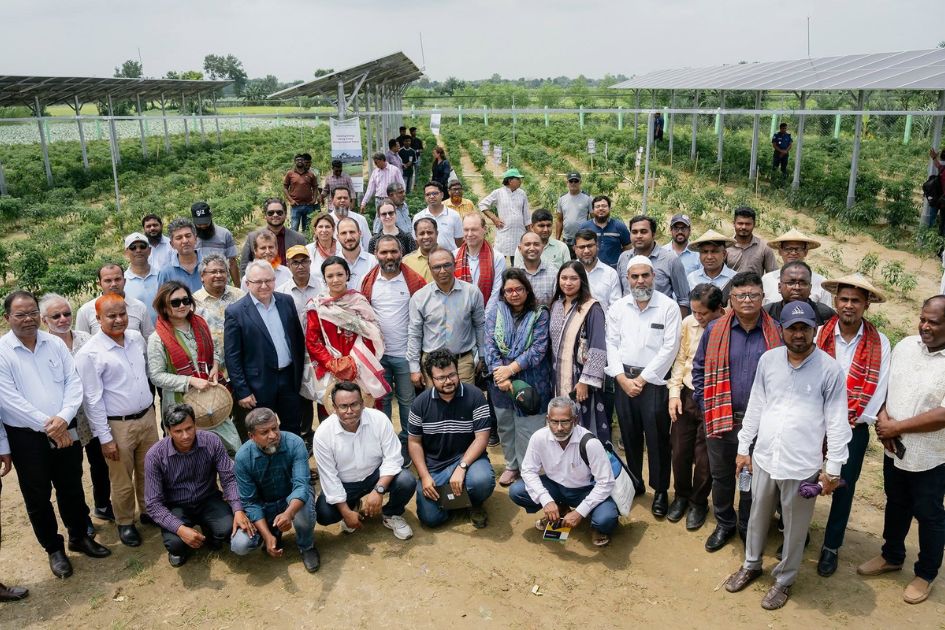
In a major step toward expanding clean energy without sacrificing agricultural land, Bangladesh’s Power Division has inaugurated the nation’s first scientifically structured, grid-connected agrivoltaics (agri-PV) pilot project in Chuadanga Sadar. Implemented under the Green Energy Transition – Policy Advisory Partnership (GET-PAP)—co-funded by the European Union and Germany’s BMZ—the 49.6 kWp demonstration facility integrates dual land use, supporting solar-powered irrigation and seasonal farming across 50 acres while feeding surplus electricity to the national grid. Supported by technical expertise from Germany’s Fraunhofer ISE and 80% grant financing from KfW through IDCOL, the project will generate empirical data on crop yields and microclimate impacts to shape national agrivoltaics guidelines and scalable commercial frameworks.
Bangladesh Climate Finance Lab Yields 35 Green Climate Fund Project Concepts
To accelerate national access to global climate resources, the International Climate Finance Cell under the Economic Relations Division (ERD), in partnership with the Asian Development Bank (ADB), recently hosted an intensive five-day Climate Finance Leadership Lab in Gazipur. Gathering 35 participants across 23 governmental and civil society organizations, the workshop produced 35 targeted project concepts designed for submission to the Green Climate Fund (GCF), spanning key pillars such as mitigation, adaptation, climate resilience, and loss-and-damage insurance. Ten high-potential proposals earned special recognition during the lab and will advance into dedicated mentoring pipelines to refine their technical feasibility for inclusion in Bangladesh's official national climate finance pipeline.
Bangladesh Strengthens Capacity for Article 6 Carbon Markets
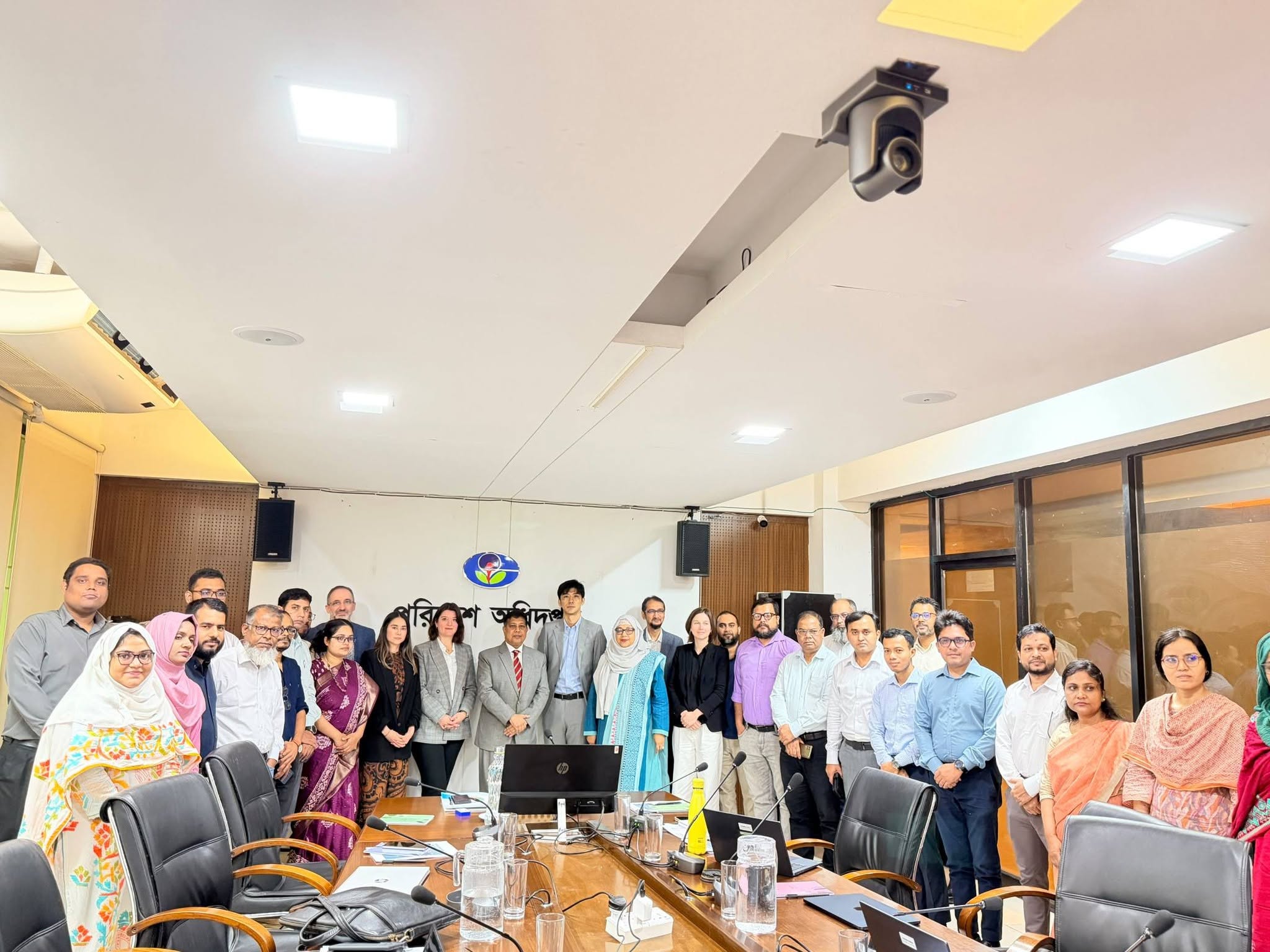
The Department of Environment (DoE), supported by the World Bank’s Partnership for Market Implementation (PMI) project, has convened key stakeholders for a national workshop focused on Article 6 of the Paris Agreement and international carbon markets. Bringing together government officials, technical experts, and private-sector leaders, the initiative addresses institutional frameworks, implementation bottlenecks, and market mechanisms essential for carbon trading. By advancing from Article 6 readiness to operational execution, Bangladesh aims to unlock international climate finance, ensure environmental integrity and transparency, and safeguard its national interests in the global carbon economy.
Bangladesh and Netherlands Partner to Advance Circular Textile Economy
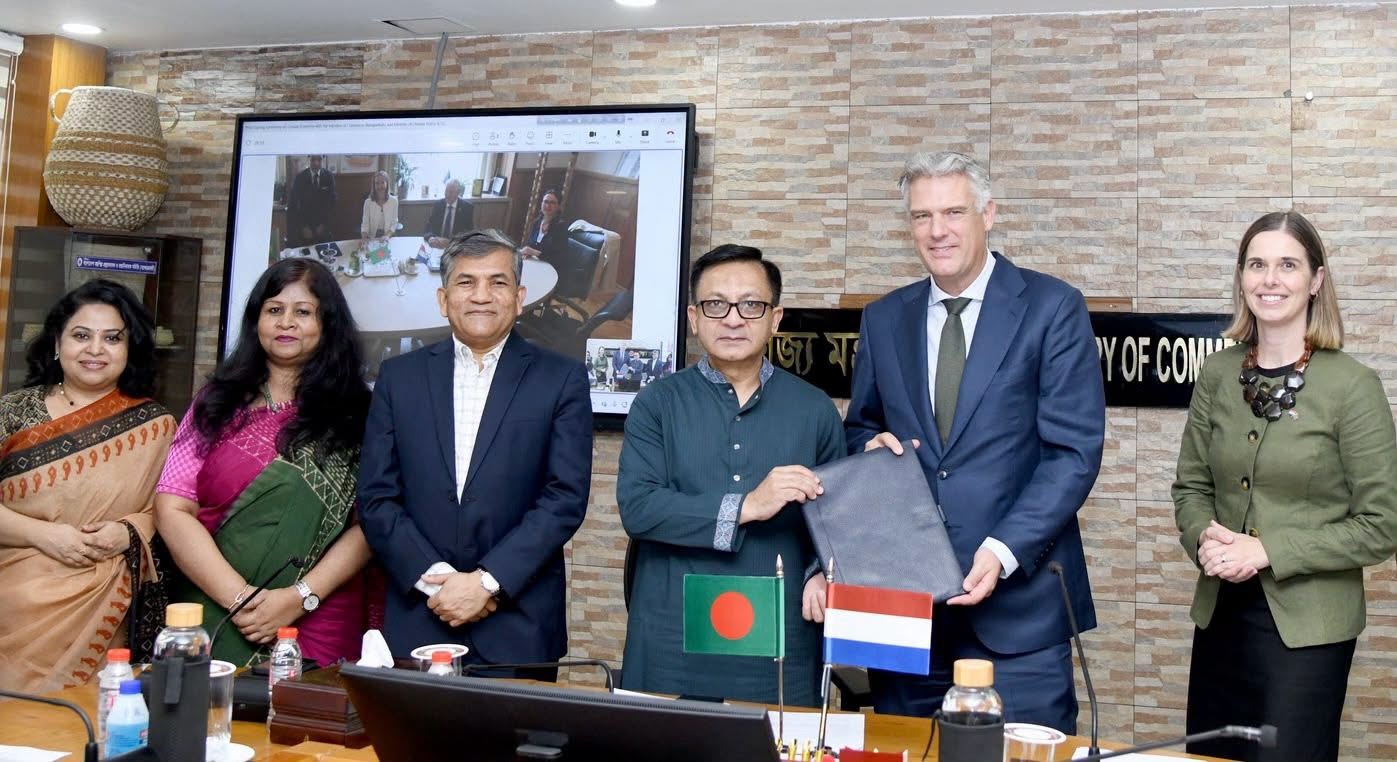
Bangladesh and the Netherlands have signed a Memorandum of Understanding (MoU) to accelerate the transition toward circularity and sustainability across the textile and apparel supply chain. The strategic agreement focuses on key operational areas, including technology transfer, knowledge sharing, green investment, regulatory alignment for imports and exports, and the formalization of the informal textile sector. Guided by a joint steering committee, the bilateral initiative aims to deploy scalable, practical circular solutions to enhance environmental compliance and strengthen the global competitiveness of Bangladesh’s garment industry.
Bangladesh Weighs Waste-to-Energy Potential Amid Readiness Gaps
Bangladesh is evaluating waste-to-energy (WtE) technologies to manage rapidly growing urban municipal waste, alleviate landfill pressure, and augment grid power generation. However, structural bottlenecks—primarily unsegregated household waste, underdeveloped sorting infrastructure, and fragmented collection systems—pose significant risks to operational scalability and feed reliability. The flagship 42.5 MW Aminbazar WtE project in Dhaka, designed to incinerate 3,000 tonnes of municipal waste daily, highlights both the sector's potential and the need for robust tariff structures, long-term fuel guarantees, and viable financial arrangements. Experts recommend a phased national strategy prioritizing source segregation, institutional capacity building, and targeted policy frameworks to transition municipal waste into a sustainable energy resource.