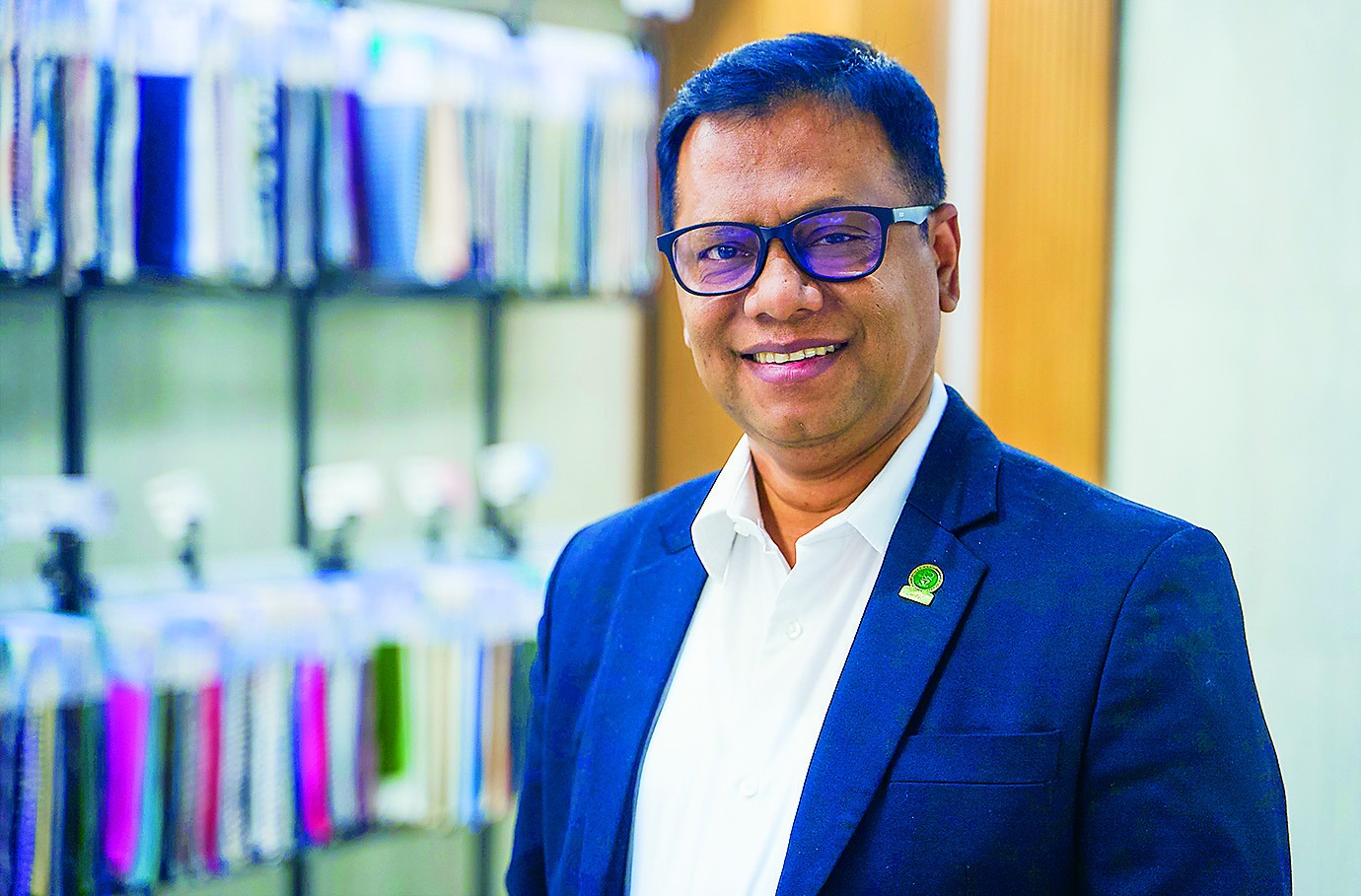
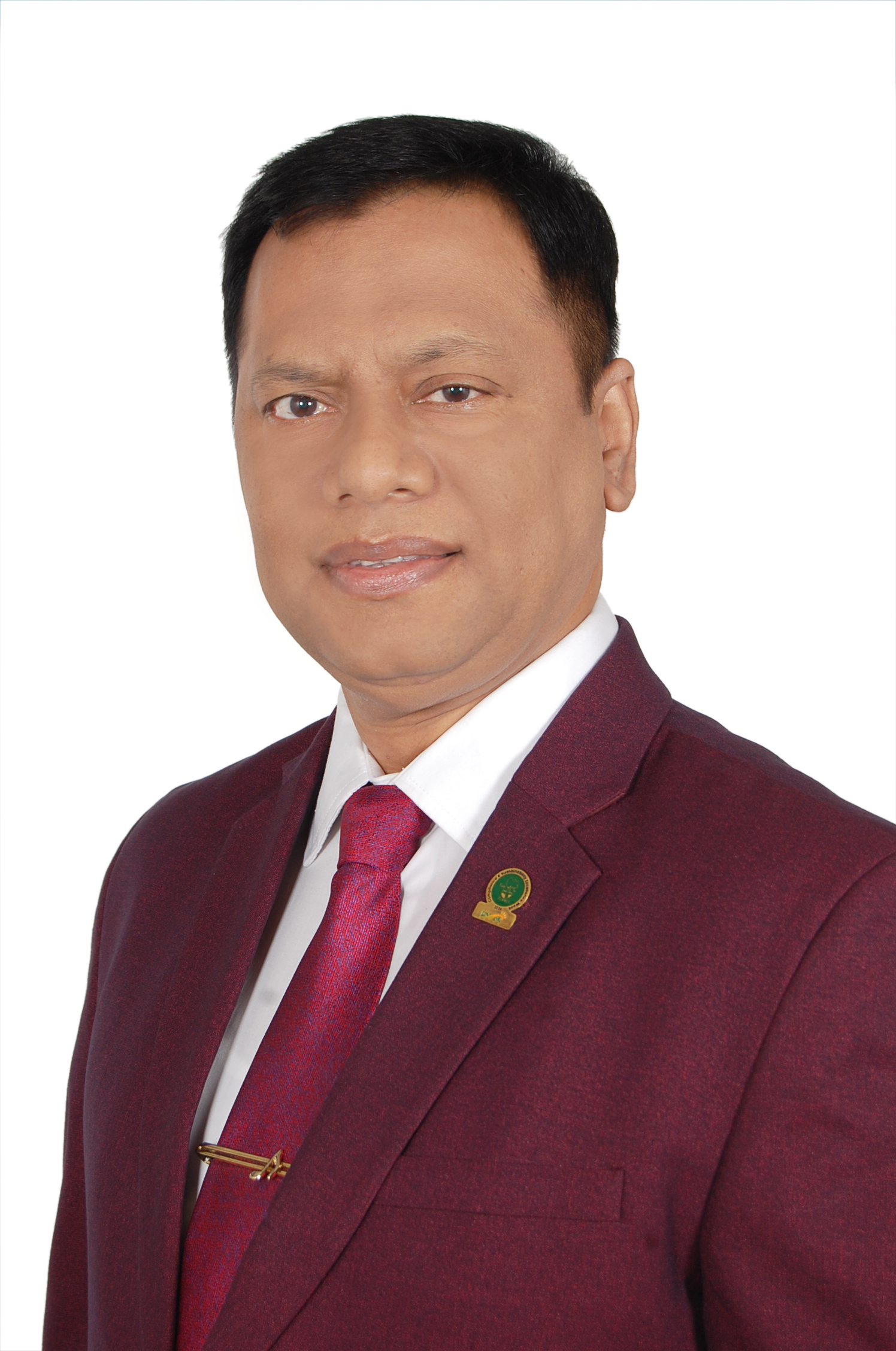
Starting the journey in 1994 with 200 employees, Epyllion Group now stands as a major Bangladeshi conglomerate, with 12 enterprises, across Dhaka, Gazipur, Narayanganj, and Chattogram, and nationwide retail, supply, and community networks, directly employing more than 24,000 people. Primarily covering the whole spectrum of textiles and readymade garments, including a washing plant, chemical testing laboratory, and a retail chain for clothing items, Epyllion also has footprints in real estate, and food & beverage. Epyllion takes ESG issues passionately, way beyond the mere obligations for export compliance, and has exemplary CSR programs for community engagement. Their ardent ESG-steward, Mr. Mohammad Shah Alam, Deputy General Manager for Compliance and Sustainability, speaks to TSV, on how they have taken forward and championed the ESG issues in their operations.
Sustainability philosophy
TSV: Epyllion Group’s approach to sustainability, and how has that approach evolved over the years?
At Epyllion Group, sustainability has evolved from a basic compliance requirement into a core business strategy. Beginning with manufacturing safety, our efforts expanded into LEED-certified facilities, advanced MBR wastewater treatment, and resource efficiency.
Socially, establishing the Epyllion Foundation in 2011 institutionalized our commitment to SDGs, health, education, gender equality, and community empowerment.
Through the Epyllion Foundation, we advance community welfare, health, and gender equality. Today, we focus on measurable sustainability—targeting Net Zero, circular production, and stronger governance—shifting from doing what is required to doing what responsibly secures our future.
From policy to practice
TSV: How is sustainability integrated into the day-to-day operations and decision-making process?
At Epyllion Group, sustainability is a core business responsibility embedded into daily operations and decision-making across our textile and lifestyle sectors. Rather than a standalone initiative, it guides operational planning, investments, process improvements, supplier engagement, and risk management.
We prioritize resource efficiency, environmental compliance, safety, ethical labor, and reducing emissions and waste. By collaborating across business units to set measurable targets and track performance, this integrated approach drives sustainable growth and efficiency while fulfilling our commitments to our people, environment, customers, and communities.
Key priorities
TSV: Key sustainability priorities at present, and where the Group has made the most meaningful progress?
Epyllion Group prioritizes climate action, resource efficiency, responsible production, workplace wellbeing, and ethical value chain management. Key efforts focus on reducing GHG emissions, expanding renewable energy, enhancing water reuse, and maintaining strict safety standards.
Our greatest progress lies in systematically embedding sustainability into everyday operations and decision-making—shifting cross-functional teams from basic compliance toward continuous, integrated improvement.
Environmental footprint
TSV: What steps is Epyllion taking to reduce its environmental footprint, and improve circularity?
To minimize our environmental footprint, Epyllion Group takes a structured, data-driven approach across water efficiency, chemical safety, waste circularity, and GHG reduction through solar power. Beyond basic compliance, we invest in cleaner technologies to build a low-carbon, resource-efficient textile value chain, committing to transparent performance tracking and stakeholder collaboration for long-term progress.
Measurable results
We are strengthening our sustainability approach by using data-driven targets to monitor water, energy, waste, chemicals, and GHG emissions. Recent process optimizations, renewable energy adoption, and recycling initiatives have already reduced our unit-level resource consumption and operational footprint.
Going forward, we are establishing clear year-on-year metrics—such as energy intensity, emissions, and waste recovery rates—to track progress transparently and ensure our commitments deliver measurable environmental outcomes.
Circularity
We focus on waste segregation, material recovery, process optimization, water reuse, and responsible sourcing.
By enhancing supplier traceability and innovating for product longevity and recyclability, we aim to systematically reduce material consumption and build a regenerative value chain.
Supply chain
TSV: How does Epyllion assess and maintain sustainability standards across its suppliers and value chain?
Epyllion Group is strengthening responsible sourcing and supply-chain transparency by embedding environmental, social, and ethical criteria into supplier management. We are enhancing traceability beyond direct suppliers to evaluate risks around labor, safety, chemicals, and human rights. Where gaps occur, we emphasize capacity building alongside corrective actions to build a resilient, due-diligence-aligned supply chain.
Technology and innovation
TSV: How are technology and innovation helping Epyllion make its production processes cleaner, more efficient and more sustainable? Could you share a specific example?
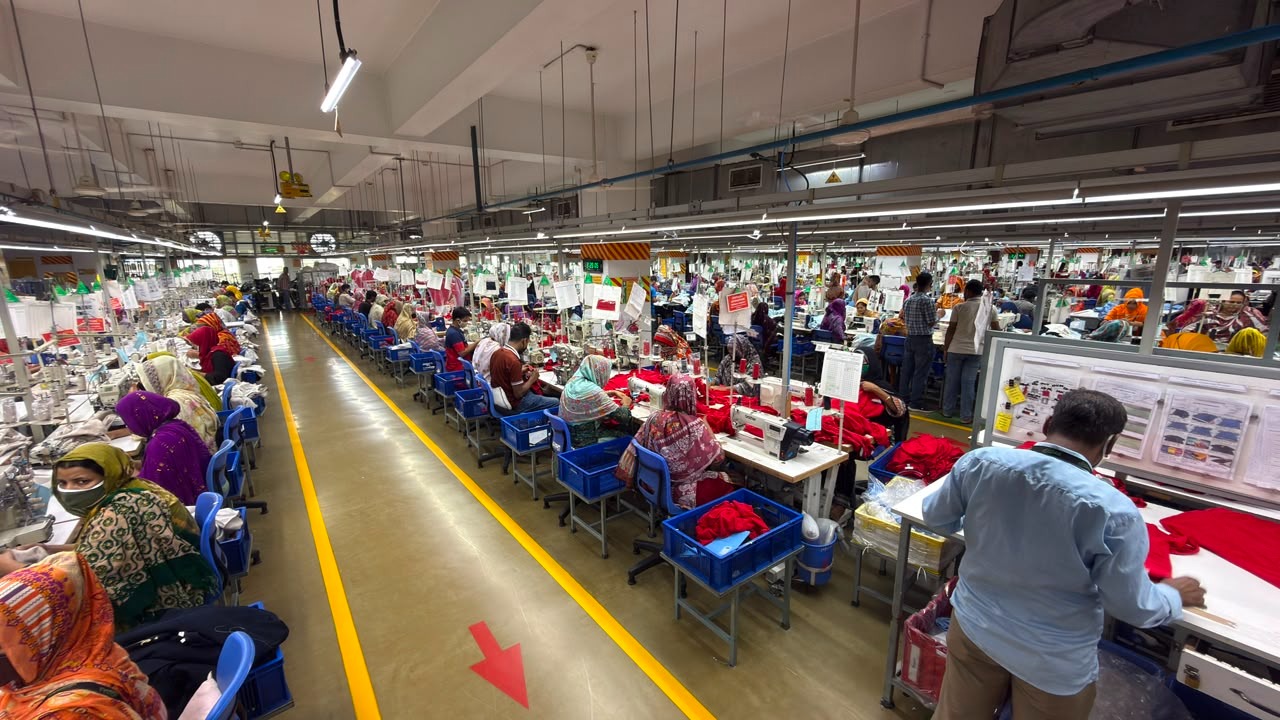
We leverage digital monitoring and data-driven systems to track energy, water, waste, and GHG emissions, integrating performance data directly into operational decision-making.
A major pillar is expanding solar power to reduce fossil-fuel reliance, lower emissions, and enhance energy resilience. At facilities like EGB, process controls and equipment optimization reduce unnecessary consumption of water, chemicals, and energy without sacrificing quality. Furthermore, we are advancing water recycling, waste recovery, and responsible chemical management.
People and decent work
TSV: What initiatives has Epyllion undertaken in areas such as workers’ well-being, occupational health and safety, skills development, inclusion and decent working conditions?
Our safety systems are reinforced through regular risk assessments, fire safety measures, and continuous training. We foster active worker engagement by offering open channels for feedback and grievances. Through in-house Learning and Development programs—including our Female Leadership Program with ILO Better Work—we build future-ready skills and promote women's advancement.
Community impact
TSV: Beyond its factories and businesses, how does Epyllion engage with and contribute to the communities in which it operates?
Epyllion Group extends its responsibility beyond manufacturing by investing in inclusive community development. Rather than traditional philanthropy, we focus on building long-term pathways for youth through education, skills development, healthcare, environmental initiatives, emergency relief, and active employee volunteering.
Education is central to our efforts. Through the KHEA Scholarship, we eliminate financial barriers for talented students to enable ongoing academic success. Additionally, our Reaz Public School provides quality, future-ready learning to foster confidence, critical skills, and holistic development in young minds.
We measure impact beyond financial contributions, evaluating program success through beneficiary reach, educational continuity, community feedback, and sustainable long-term outcomes for future generations.
Sustainability reporting
TSV: What frameworks, indicators or processes does the Group use to measure and report its sustainability performance, and how does this information influence management decisions?
In 2026, Epyllion Group will mark a major milestone by publishing its first comprehensive, GRI-aligned ESG Report based on 2024 data. This report covers critical metrics across energy, GHG emissions, water, waste, health and safety, labor practices, responsible sourcing, and community investment, delivering transparent visibility into our performance.
Rather than a simple disclosure exercise, we treat ESG reporting as a strategic management tool. The data collection and validation process helps leadership identify risks, prioritize investments, allocate resources, and establish clear targets.
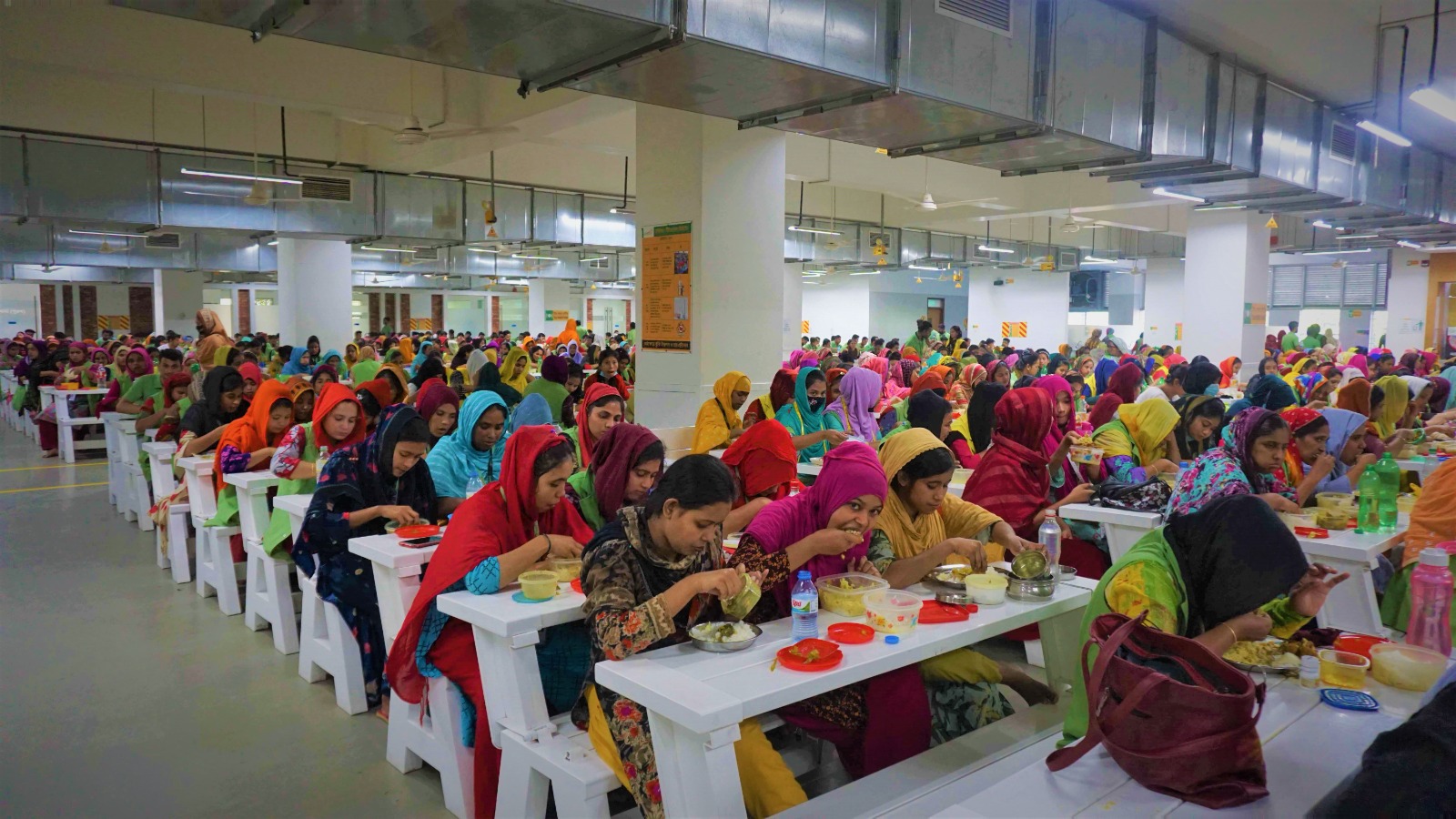
Ultimately, this report establishes a systematic, data-driven foundation to guide our future sustainability strategy, operational resilience, and long-term value creation.
Transparency and accountability
TSV: How does Epyllion ensure that its sustainability reporting remains transparent, balanced and reflective of actual performance, including areas where further improvement is needed?
Epyllion Group is committed to balanced, credible ESG reporting that reflects both our achievements and areas for improvement. As we prepare our report, we are establishing structured internal processes to ensure rigorous data collection, validation, and accountability across all business units in line with international frameworks.
True transparency requires acknowledging performance gaps openly to inform future targets and corrective actions. By strengthening data traceability, we treat transparency as an ongoing practice to build trust with stakeholders and drive continuous operational improvement.
Genuine sustainability vs. ESG trends
TSV: In your view, what distinguishes genuine sustainability performance from simply following a trend?
For Epyllion Group, publishing our ESG Report shifts our journey from intention to implementation. Ultimately, real sustainability occurs when ESG principles shape daily operations and strategic decisions to deliver measurable, lasting impacts.
Challenges and lessons
TSV: What has been the most challenging sustainability issue or initiative for Epyllion, and what has the Group learned from that experience?
Translating ambitious ESG objectives into practical, scalable solutions across diverse manufacturing operations remains Epyllion Group’s core challenge. Key initiatives—such as reducing GHG emissions, enhancing water reuse, and advancing circularity—demand significant investment, technical solutions, and cross-functional coordination, often compounded by infrastructure and regulatory complexities.
We have learned that sustainability is a journey of continuous improvement rather than a one-time achievement.
The next five years
TSV: Looking ahead, what are Epyllion Group’s key sustainability priorities for the next five years, and what measurable outcomes would you like the Group to achieve?
Over the next five years, Epyllion Group will transition from building a sustainability foundation to delivering measurable, scalable ESG performance across five key areas: climate action, resource efficiency, circular production, decent work, and responsible supply chains.
Environmental efforts will focus on expanding solar capacity, improving water reuse in wet processing, reducing emissions intensity, and maximizing material recovery. On the social front, we will enhance occupational safety, skills development, worker engagement, and supply chain traceability.