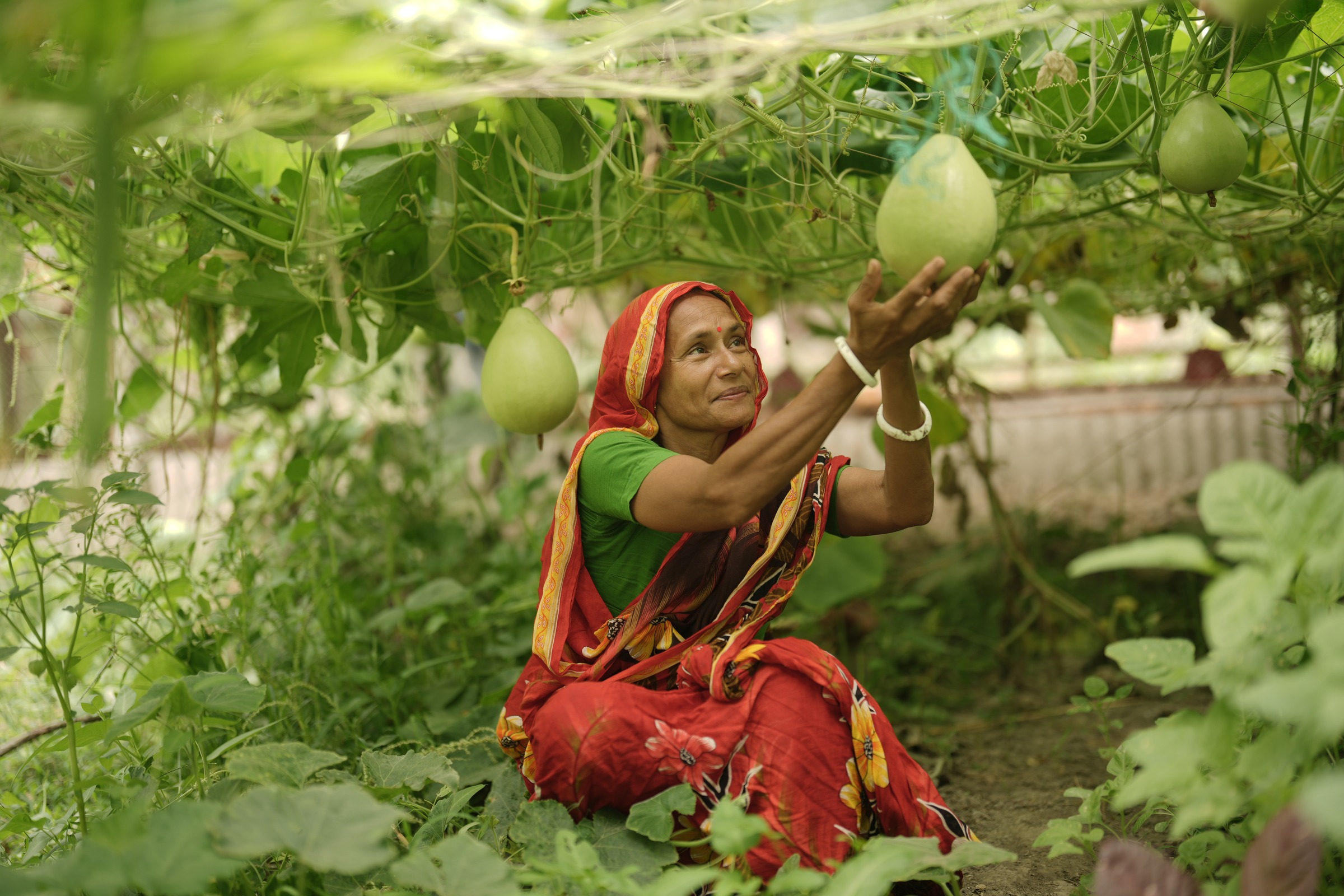

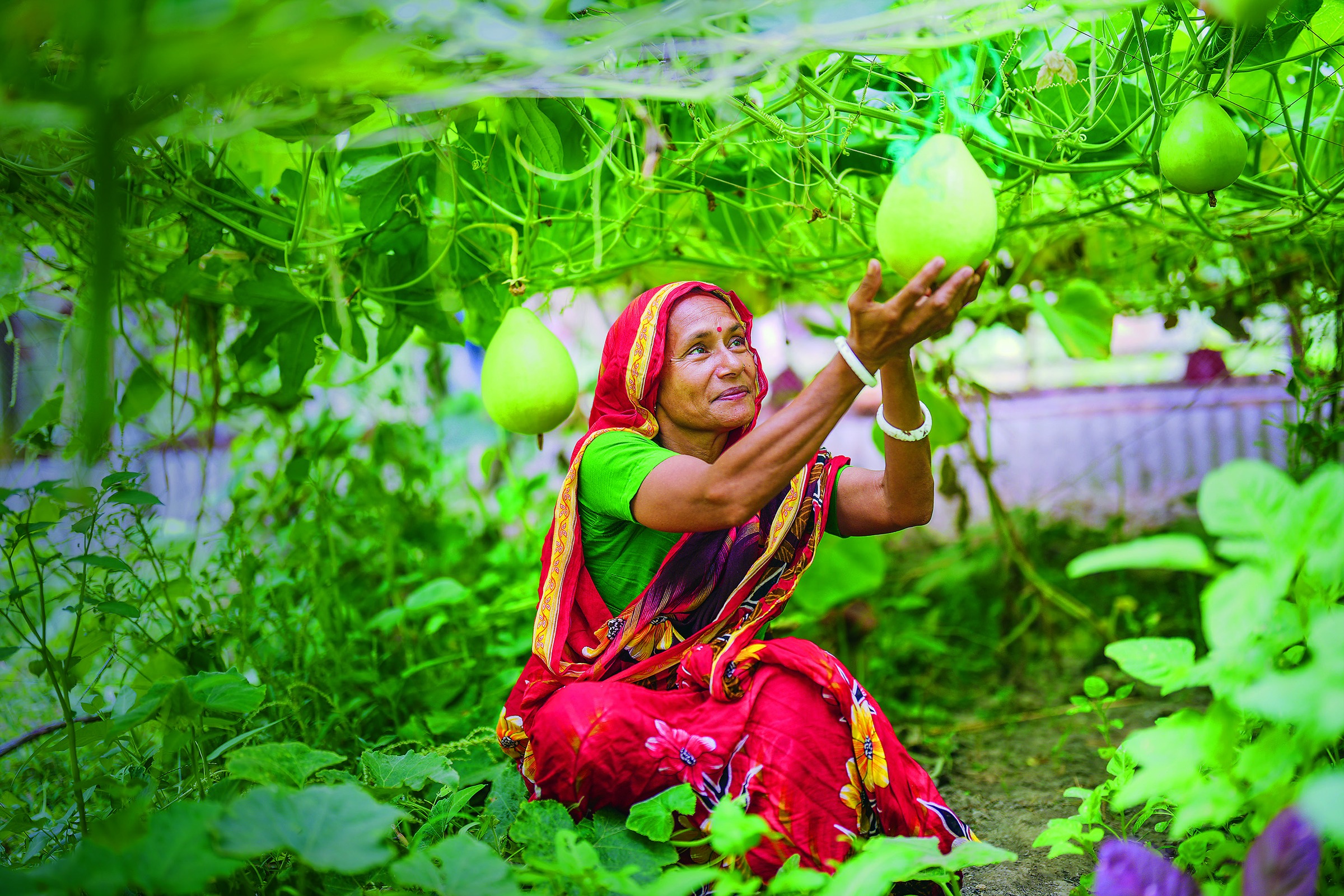
“When crops repeatedly failed, I began to wonder whether farming could still support my family.” When Nishikanto Mondol, a farmer from Shyamnagar in Satkhira, shared these words with me, I was deeply moved. His frustration was not simply about a failed crop. It reflected a much bigger question facing thousands of families across Bangladesh’s coastal belt: when the land can no longer provide, what happens to the people who depend on it? For many coastal farming families, the answer has increasingly been migration.
Shyamnagar has long faced the combined challenges of cyclones, saline-water intrusion, drought, erratic rainfall and prolonged freshwater shortages. As agricultural productivity becomes more uncertain, farming households can be pushed to seek livelihoods elsewhere. Migration, therefore, is not only a movement of people, it is often a consequence of declining agricultural opportunity, reduced household income and diminishing confidence in the future.
This is where the story of ‘GoGrow: Enriching the Livelihood of Coastal Belt Farmers’ begins. Syngenta recognized that addressing salinity alone would not be enough. The challenge was much broader. Farmers needed reliable access to water, healthier soils, more resilient crops, better agricultural practices, diversified sources of income and stronger knowledge and support systems. Most importantly, they needed a viable reason to remain and build their livelihoods where they live. GoGrow was designed around that broader reality.
Bringing water back to the land
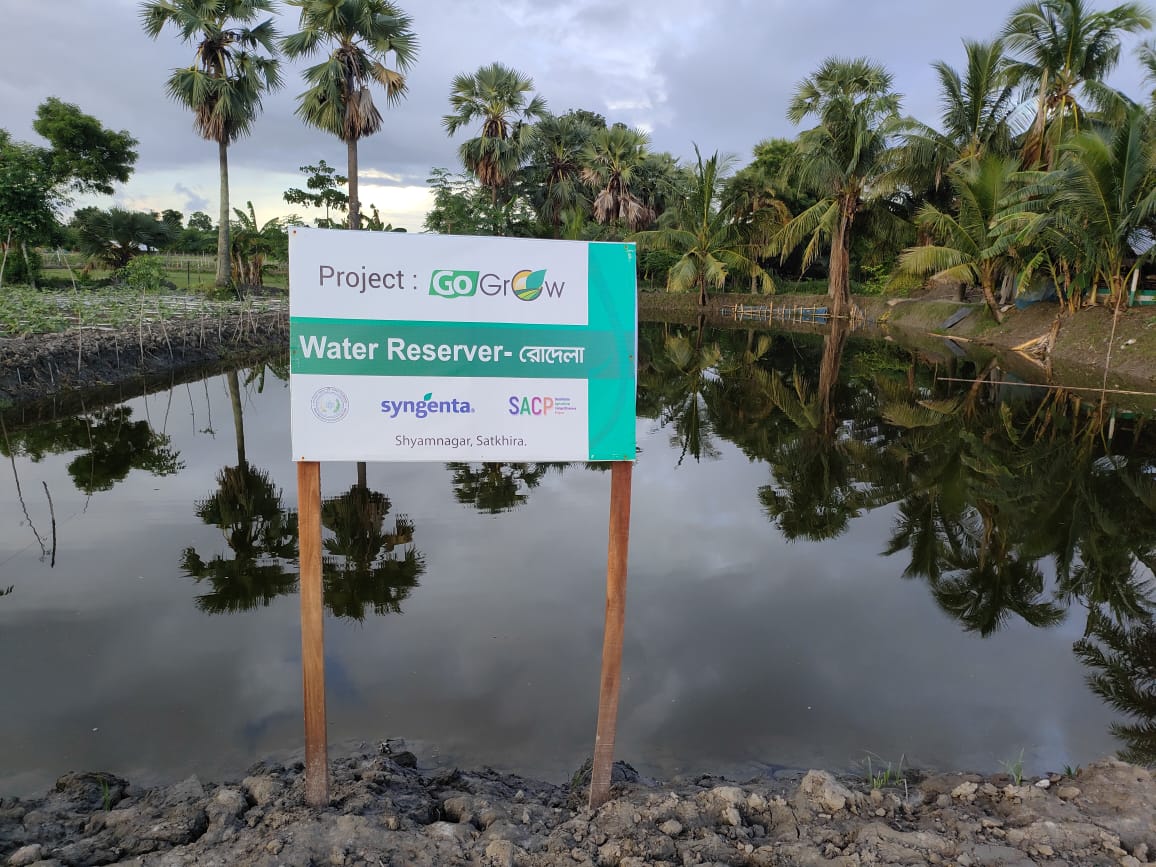
For coastal farmers, water security is the foundation of resilience. Through GoGrow, 35 rainwater-harvesting reservoirs and 6.7 kilometres of canal restoration are helping communities retain water for the dry season, while solar-powered irrigation is reducing reliance on fossil fuels. With better access to water, farmers are diversifying beyond single-season rice, introducing more than 23 crops including maize, sunflower, mustard, vegetables and pulses—alongside saline- and drought-tolerant varieties.
For Nishikanto, this has restored confidence in his land. Today, he grows salt-tolerant crops, cultivates vegetables beyond the rice season and applies improved soil- and water-management practices, turning a source of uncertainty into renewed food, income and opportunity.
From agricultural vulnerability to livelihood resilience
The results tell a powerful story. More than 1,200 farmers now benefit directly from GoGrow, with over 250 acres under climate-smart cultivation. Farmers have reported 25–30% higher yields and around 35% growth in household income, while the project estimates that nearly 80% of potential migration among participating households has been prevented.
When farming becomes more productive and profitable, families gain more than income—they regain the confidence and opportunity to stay, build their livelihoods and secure their future in their own communities. That is how GoGrow is turning agricultural vulnerability into livelihood resilience.
Restoring soil health
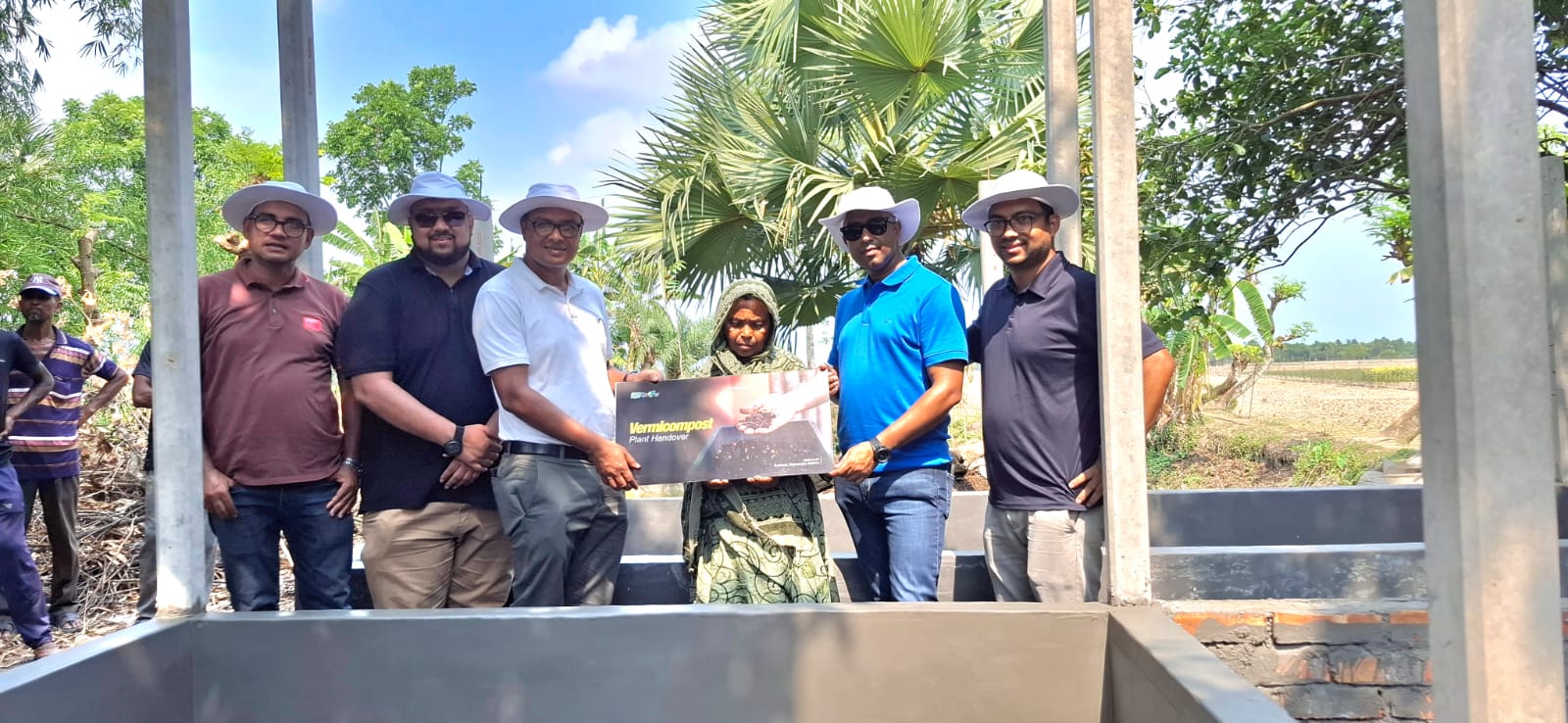
Water alone cannot create sustainable agriculture. Long-term resilience also depends on restoring and protecting the health of the soil. Through GoGrow, farmers are learning practices including zero tillage, mulching, vermicomposting, balanced fertiliser use and the safe and judicious application of crop-protection products. Three vermicompost plants established through the initiative have a combined annual production capacity of around 25 tonnes of organic fertiliser. More than 5,000 saplings have also been distributed to farmers and school students, linking agricultural resilience with biodiversity and environmental responsibility.
This integrated approach reflects Syngenta’s sustainability principle of Higher Yield, Lower Impact, helping farmers improve productivity and livelihoods while using natural resources more efficiently and reducing agriculture’s environmental footprint.
Resilience is also about people
Sustainable agriculture depends not only on technology and infrastructure, but on people’s knowledge and capacity to use them. Through more than 100 hands-on learning sessions, GoGrow has strengthened farmers’ skills in agronomy, climate-smart agriculture, livestock, financial literacy, health and nutrition.
The initiative is also diversifying livelihoods through livestock and fish cultivation, while health and nutrition activities have reached more than 150 women farmers and telemedicine services for more than 280 farming families.
Ultimately, resilience is about people—their knowledge, wellbeing, income and ability to build a secure future.
No one can build resilience alone
The complexity of climate change demands partnership. GoGrow is implemented through collaboration with the Department of Agricultural Extension (DAE), Soil Resource Development Institute (SRDI), BINA, agricultural universities, local government institutions and, most importantly, farming communities themselves.
These partnerships bring together public institutions, technical expertise, private-sector capabilities and farmers’ own knowledge. They also contribute to Bangladesh’s wider ambitions for food security and climate resilience, supporting SDG 2: Zero Hunger, SDG 13: Climate Action and SDG 17: Partnerships for the Goals.
From Shyamnagar to the future
Shyamnagar’s challenges—salinity, freshwater scarcity and climate variability—are shared by many coastal communities across Bangladesh. GoGrow shows that climate adaptation can be more effective when it addresses livelihoods, not just crops.
By 2030, GoGrow aims to reach 3,500 farmers across 5,000 acres, while sharing lessons that can inform climate-resilient agriculture elsewhere. Ultimately, sustainable agricultural practices give farmers greater choices, more secure livelihoods and renewed confidence in their future on the land.