
A green transition is not financed by circulars alone. It happens when a rooftop solar array, a cleaner dyeing line, or a recycling business becomes a tradable security with a price, a maturity, and a verified record of delivery. While Bangladesh has produced numerous sustainable finance policies, it has yet to build the institutional machinery that turns good projects into liquid assets.
A Market of Labels, Not Capital
Worldwide, the stock of green, social, and sustainability-linked debt reached roughly US$6.8 trillion by the end of 2025. Bangladesh must finance a National Adaptation Plan costed at US$230 billion through 2050. Yet, the corporate bond market remains valued at just 0.08% of GDP (2024–25).
The 2026–27 national budget of Bangladesh promises green bonds, sukuk, municipal bonds, exchange-traded funds, and faster settlement. However, a catalogue of instruments is not a market; what is missing is a reliable sequence of trusted rules, project pipelines, and active buyers. For instance, while banks reported Taka 100,057 crore in "sustainable finance" between January and March 2026, only 5% (Taka 5,196.7 crore) was genuine green finance. Meanwhile, market capitalization fell from Taka 751,734 crore in January 2024 to Taka 685,119 crore in April 2026, and private credit growth sits below 5%. Public money alone cannot close this gap.
Three Tasks, in Order
Rulebook Standardization & Verification: Bangladesh Bank, the securities regulator, the Financial Reporting Council, the revenue board, and the environment ministry must align on a single classification standard. Every green label requires sector thresholds, minimum labour safeguards, and a "do no harm" test. To eliminate expensive, unverified reporting, a public register should house all issuer frameworks, baselines, and impact results. Independent reviewers must be licensed, rotate on large transactions, and face penalties for careless assurance.
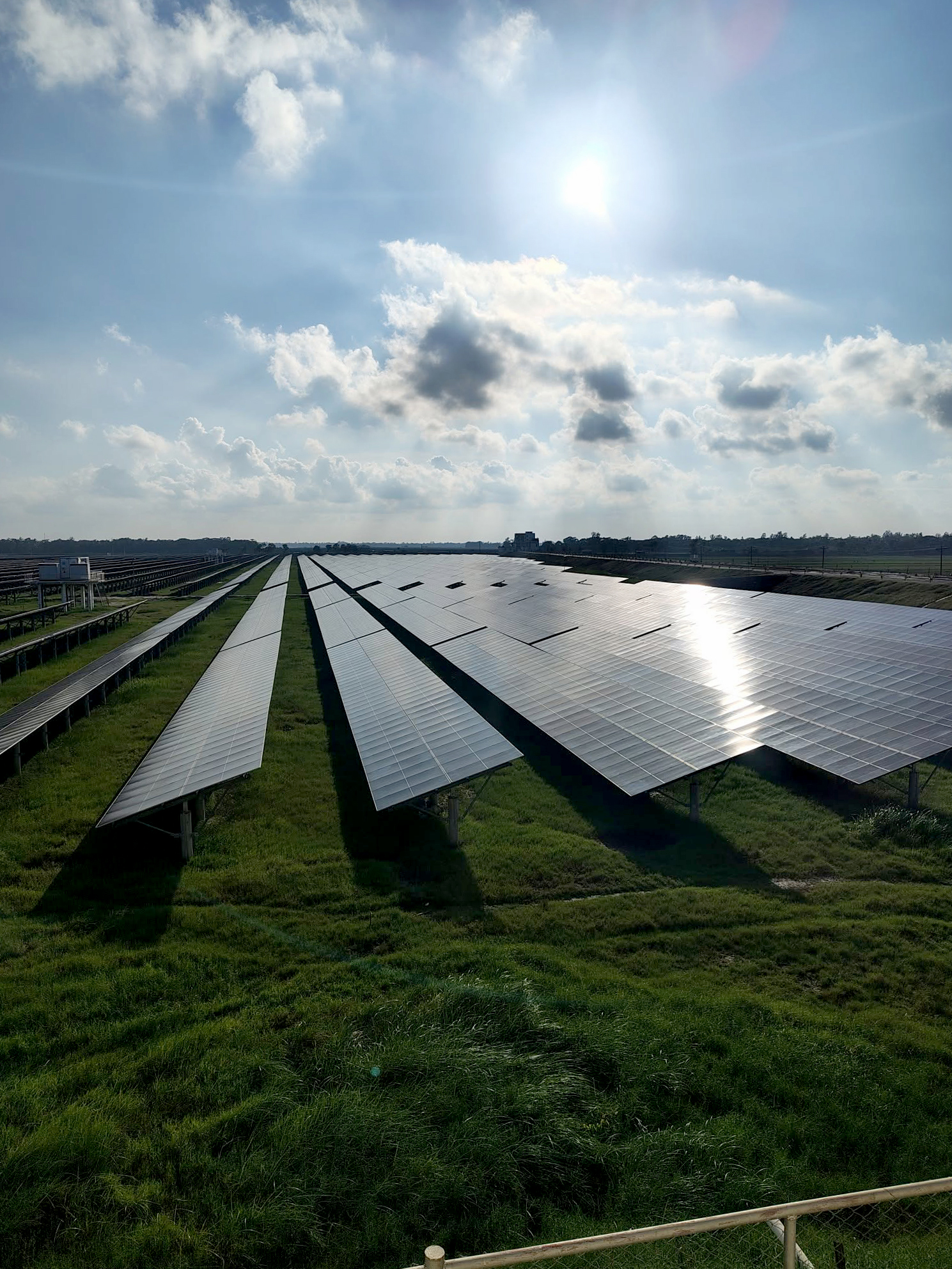
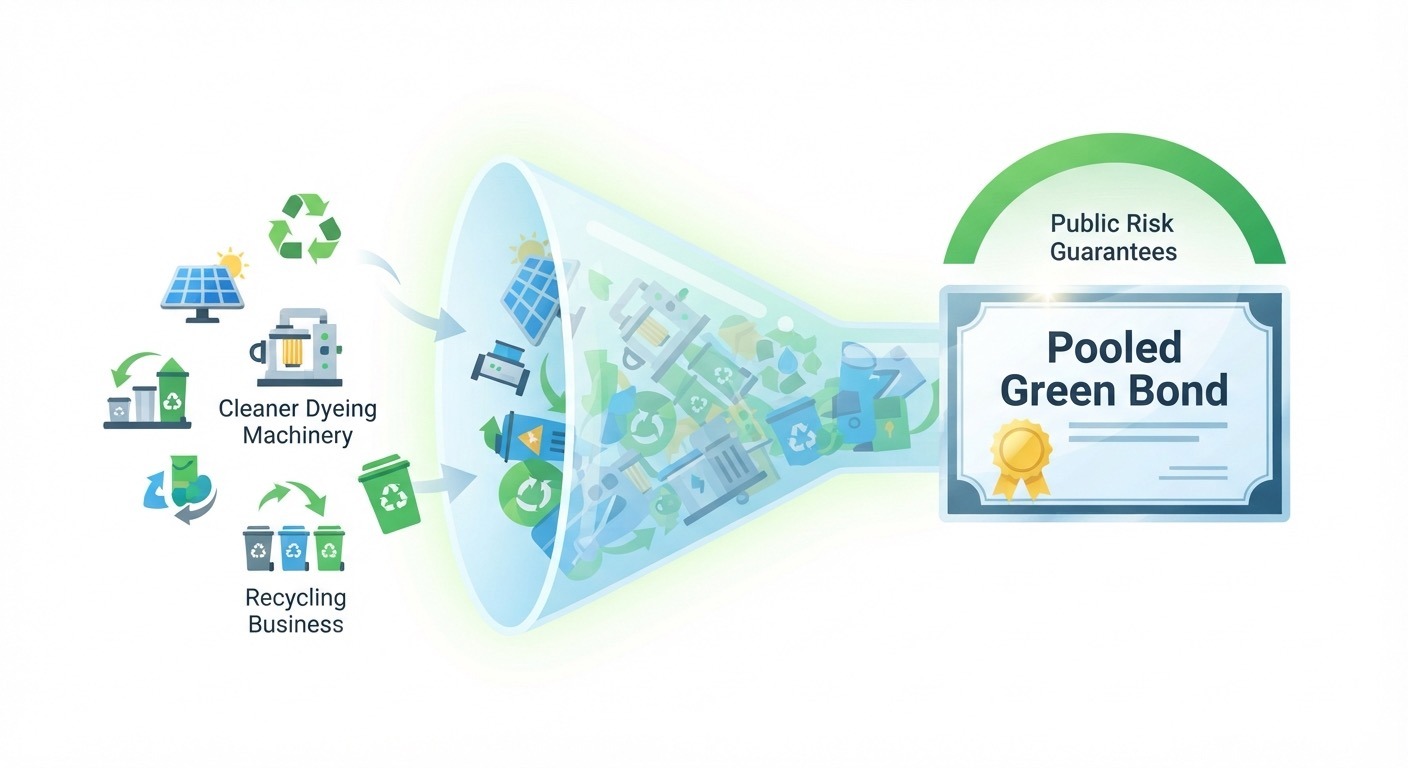
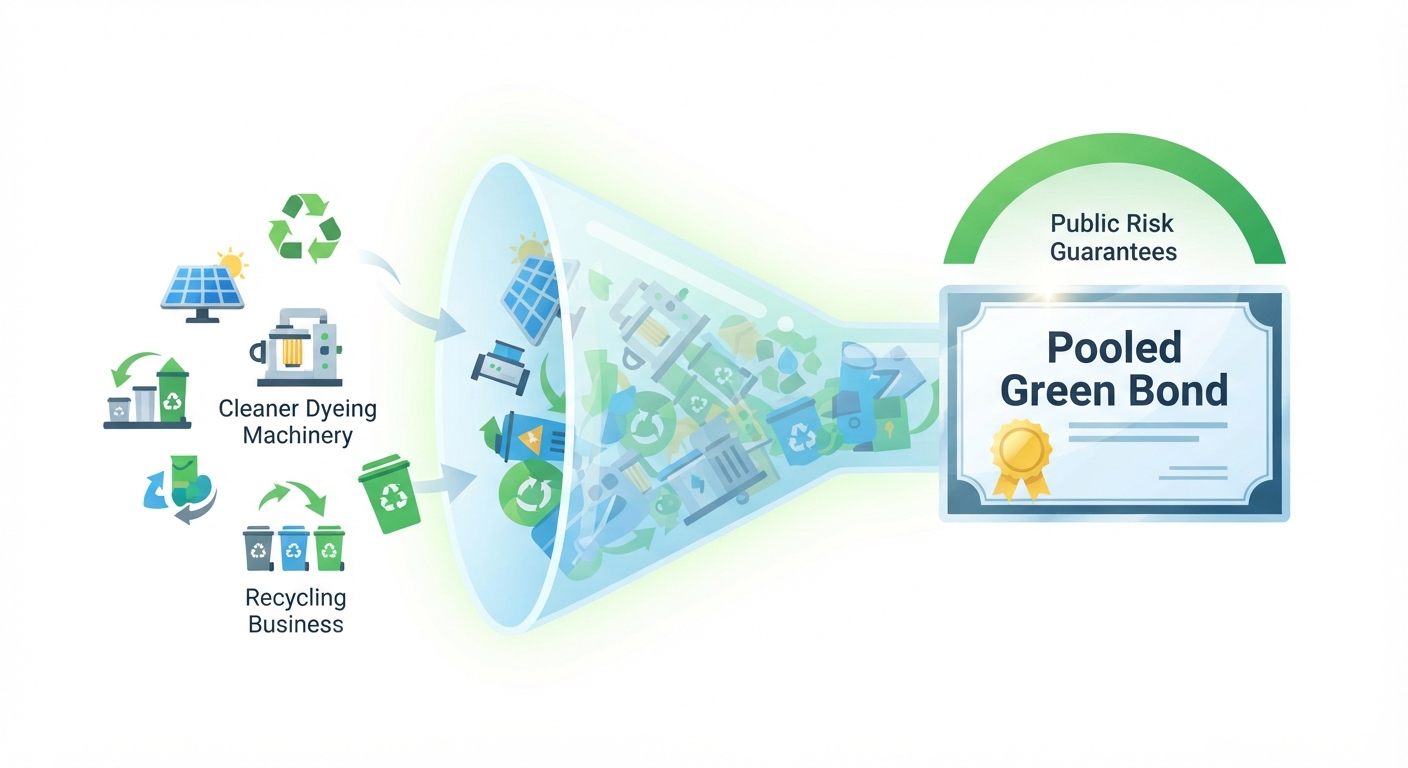
Asset Aggregation & Public Risk Support: Most domestic green projects are too small or light on documentation to support a bond. A project preparation facility—housed within existing institutions like IDCOL—should fund audits, feasibility studies, and cash-flow models. It should warehouse verified loans for rooftop solar, efficient machinery, and effluent treatment, then refinance them through pooled bonds. Furthermore, public support should absorb identified risks through a competitively priced guarantee window rather than blank cash assistance or inefficient interest subsidies.
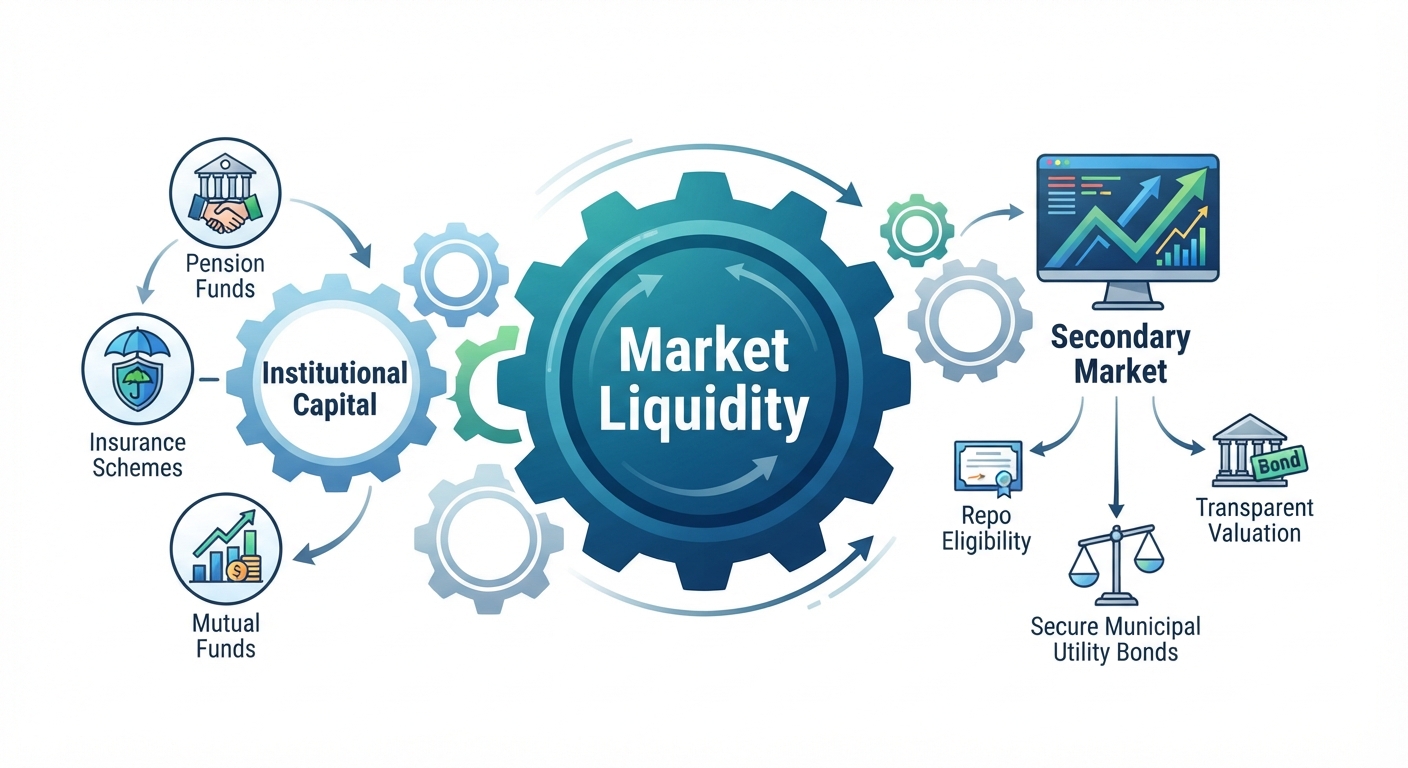
Institutional Demand & Market Microstructure: Institutional investors—such as insurance companies, provident funds, and mutual funds—should be given risk-based room to hold verified thematic securities. Municipal pilots should rely on pooled issuance, ring-fenced user charges, and partial guarantees rather than unsecured borrowing.
A sovereign benchmark should tag eligible green spending inside the approved budget to establish a reliable yield curve for other issuers. Indonesia’s success with sustainable development bonds proves that budget tagging, external review, and transparent reporting create a repeatable system.
A Realistic Sequence
| Phase | Lead Institutions | Key Deliverable |
|---|---|---|
| First 12 Months | Finance Division, Bangladesh Bank, BSEC, FRC, NBR | One taxonomy, one disclosure template, verifier licensing, and bond-settlement reforms. |
| Months 12 to 24 | IDCOL, BIFFL, Banks, DSE/CSE, Insurers | Pooled green bonds for factory retrofits, solar rooftops, and waste projects; partial credit guarantees; first sovereign benchmark. |
| Months 24 to 36 | Local Government Division, City Corporations, BSEC | Revenue-backed municipal pilots, green ETFs, and performance audits tied to tax or guarantee support. |
The reform commitments in this budget will not stay open indefinitely. Bangladesh needs a lean system built for its exporters, cities, and smaller manufacturers: global standards, local thresholds, independent verification, and public risk capital used sparingly. That is how a sustainability policy becomes a capital market—and how a capital market becomes an instrument of national competitiveness.