

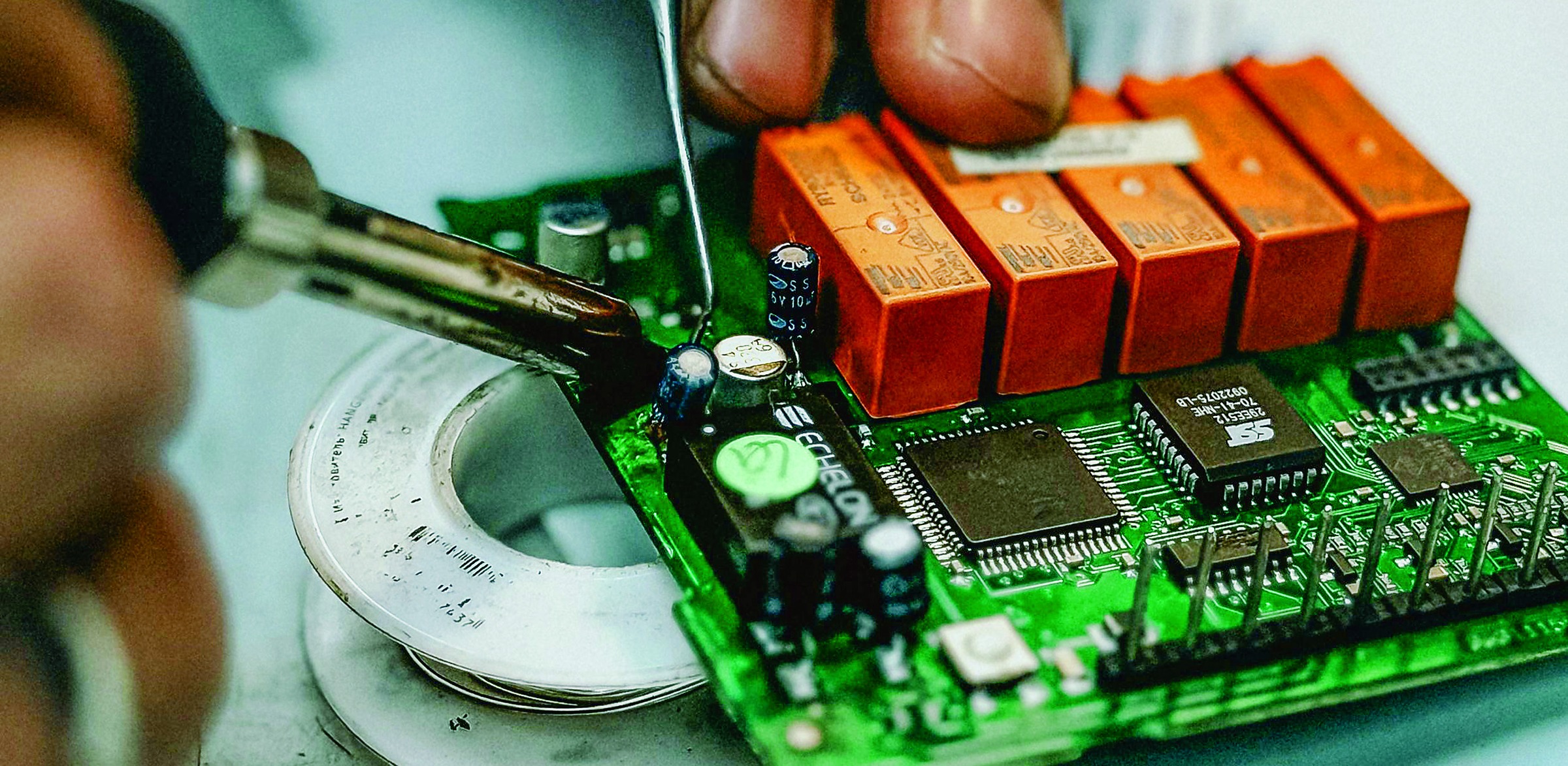
Bangladesh stands at a pivotal transition in its economic trajectory. Moving beyond its historical reliance on state-controlled industries initially, followed by low-cost apparel manufacturing, and now emerging IT outsourcing, the nation is aspiring to capture a strategic share of the global semiconductor value chain.
The semiconductor industry, however, is fundamentally different from many other technology sectors. It is a capital-intensive, knowledge-intensive, and highly specialized ecosystem that cannot be created overnight. Countries that have successfully established semiconductor industries have generally followed a carefully planned progression over many years. The journey typically begins not with fabrication plants, but with the development of a sustainable talent pool capable of supporting increasingly sophisticated activities across the value chain. Thus, the semiconductor ecosystem requires multiple years of planned development with the first step being the build-up of a talent pool, eventually moving to design and/or packaging towards manufacturing.
Worth noting that the Philippines, although strong in OSAT (Outsourced Semiconductor Assembly and Test), couldn’t move past the second stage of the ecosystem. Because it is not only the policy alignment, business climate, and expert human capital in a country that determine success in acquiring the closely guarded proprietary secrets of precision manufacturing that semiconductors require—it also requires political alignment, favorable social capital in the realm of international geopolitics, and diplomatic prowess.
Global Market Outlook
Geopolitical shifts and supply chain realignments have prompted major global economies to diversify semiconductor manufacturing away from single-region dependencies. Simultaneously, the rapid expansion of Artificial Intelligence (AI) has concentrated capital expenditure into advanced infrastructure. Consequently, investment in legacy semiconductor nodes—essential for automotive, industrial, and Internet of Things (IoT) applications—faces tight supply margins.
This divergence presents a strategic opening for emerging markets.

Expanding Global Demand: The overall industry is right now expanding at an exponential rate where the global artificial intelligence market is valued at approximately US$550 billion to US$900 billion in 2026, with aggressive projections showing rapid expansion to between US$2.5 trillion and US$7 trillion by the early-to-mid 2030s at a compound annual growth rate (CAGR) ranging from 18% to over 37%.
Case for Bangladesh: This requires a massive undertaking by the established supply chain to manage and maintain supporting existing lower-cost semiconductor needs. With policy and incentive support from a generation committed to creating a global semiconductor hub, Bangladesh can be at the forefront of this endeavor in attracting semiconductor manufacturing plants supporting lower-cost chips suitable for automobile, IoT, and industry applications.
By capturing even only 1% of the global semiconductor economy by 2035, Bangladesh can command $150 billion or more, if the right ecosystem for semiconductors can be established.
Strategic Niche

As global industrial powers reorient focus and capital toward Artificial Intelligence (AI), robotics, and next-generation architecture, a supply-chain gap has emerged in legacy nodes. Sustained demand for cost-effective, proven semiconductor designs—essential for automotive, industrial, and IoT applications—requires reliable, alternative regional hubs. If supported by strong policy alignment and active private-sector participation, Bangladesh, at least in theory, can capture a strategic share of this market.
The semiconductor industry is capital- and knowledge-intensive, requiring a phased, long-term development strategy. Bangladesh needs to develop the required ecosystem conducive for securing a position in the global semiconductor industry value chain.
Critical Policy & Investment Enablers
Bangladesh must avoid attempting to build capital-intensive fabrication ecosystems overnight. Instead, it should focus on capturing mature, cost-sensitive legacy nodes—such as those serving the automotive, IoT, and industrial markets—while transitioning strategically from fabless design toward high-value verification, assembly, testing, and packaging (OSAT). By deploying targeted policy incentives, ensuring reliable industrial infrastructure, enforcing robust IP protections, and allowing private enterprise to drive commercial execution, Bangladesh can successfully integrate into the global semiconductor value chain as an essential regional hub.
To de-risk private investment and build global business confidence, policymakers and international partners must address foundational operational prerequisites:
Infrastructure Readiness: High-speed telecommunications, reliable transportation logistics, integrated customs facilities, waste management, and specialized industrial and business services will be required.
Regulatory & IP Security: Credible intellectual property (IP) protection is an absolute prerequisite. Companies are reluctant to transfer technology, establish design centers, or locate sensitive operations in an uncertain legal environment. Hence, Bangladesh must demonstrate strong enforcement of its IP laws, may establish specialized technology dispute courts, and set high cybersecurity standards to protect trade secrets.
Private-Sector-Led Governance: To maintain momentum, a private-sector-led philosophy must guide this transition, similar to the strategies that proved successful in the readymade garments (RMG) and pharmaceuticals sectors. Like in those examples, the government’s role should be limited primarily to coordination, enabling, and de-risking, while industry creates revenue, universities generate talent, and international partners connect Bangladesh to technology and markets.